
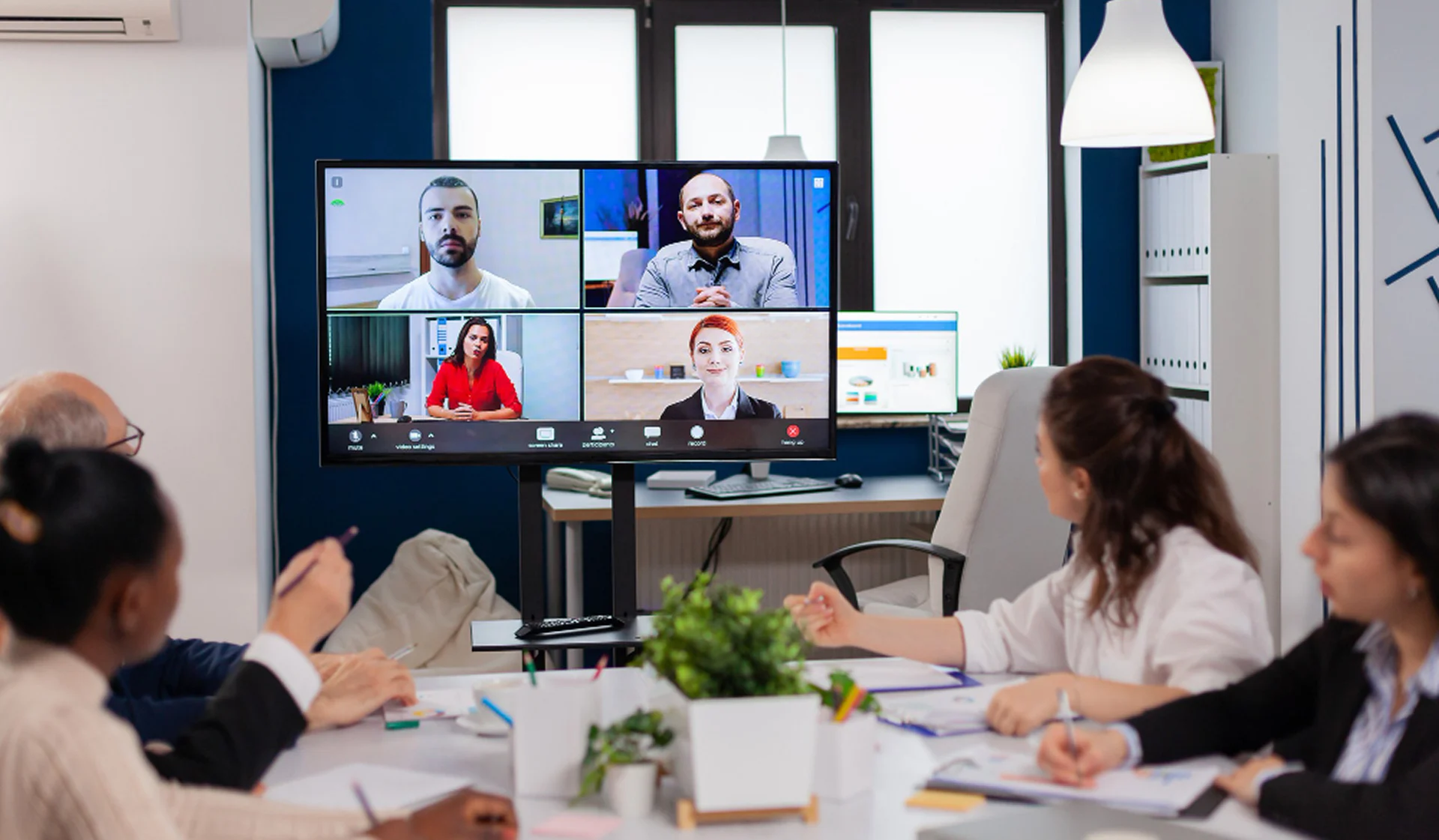
Why Flexible Workspaces Are Ideal for Remote and Hybrid Teams
As remote and hybrid work models continue to grow, flexible workspaces are becoming an essential part of modern work strategies. These spaces offer professional environments where teams can collaborate, conduct meetings, and maintain structure without permanent office commitments.
- Flexible workspaces support remote teams by offering accessibility and adaptability. This guide highlights how such work environments help teams stay connected, productive, and aligned with business goals.
- Remote employees benefit from access to shared resources, quiet work areas, and meeting rooms, enabling effective collaboration while maintaining flexibility.
- Key benefits for remote and hybrid teams
Accessibility and flexibility - Teams can choose workspaces based on location and schedule.
Flexible plans accommodate changing team sizes and work patterns.
Professional collaboration spaces
- Meeting rooms support team discussions and client interactions.
- Shared areas encourage informal collaboration and idea exchange.
Conclusion
Flexible workspaces bridge the gap between remote work and traditional offices, supporting productivity and team engagement.
Related Blogs:
21 January 2026
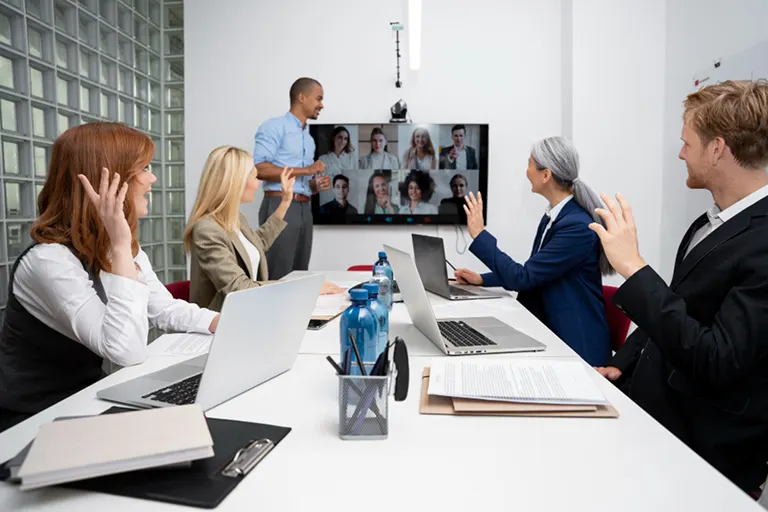
Why Flexible Workspaces Are Ideal for Remote and Hybrid Teams
As remote and hybrid work models continue to grow, flexible workspaces are becoming an essential part of modern work strategies. These spaces offer professional environments where teams can collaborate, conduct meetings, and maintain structure without permanent office commitments. Professional collaboration spaces Conclusion Flexible workspaces bridge the gap between remote work and traditional offices, supporting productivity and team engagement.
Read More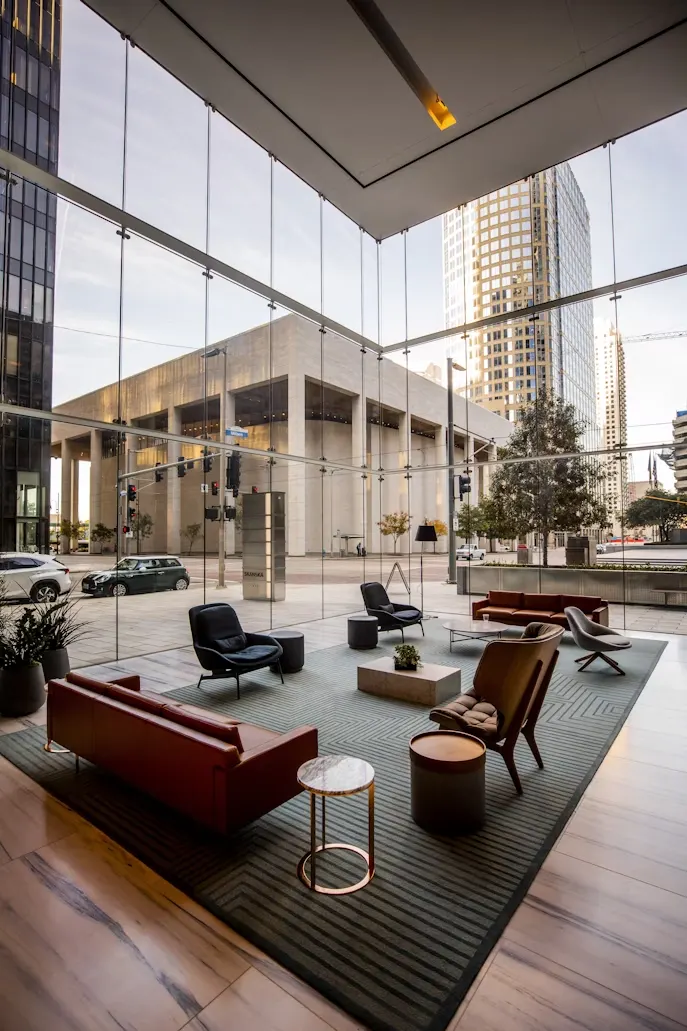
21 January 2026
How Managed Office Spaces Simplify Business Operations
For businesses that need a professional office without the challenges of setup and maintenance, managed office spaces provide a ready-to-use solution. These offices are designed to support growing teams by offering fully furnished workspaces with operational support. Operational support services Regular maintenance ensures a clean and productive environment.On-site support reduces dependency on multiple vendors. Conclusion Managed office spaces provide operational simplicity, professional environments, and scalability for businesses seeking efficient office solutions.
Read More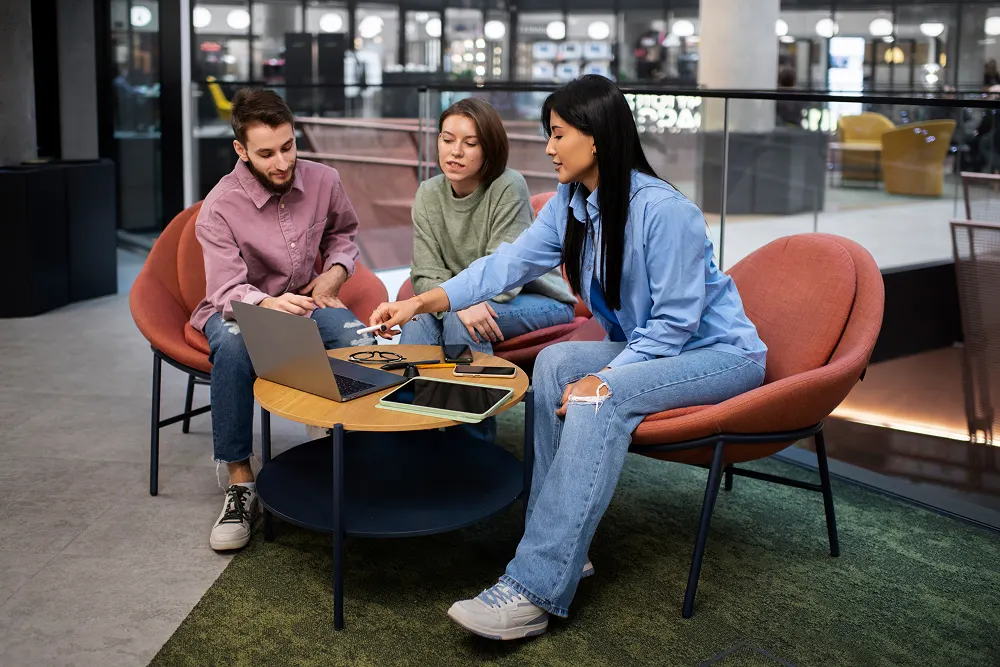
21 January 2026
Why Coworking Spaces Are Powering the New-Age Workforce
If you’re looking for a flexible, modern, and collaborative place to work, coworking spaces across major business districts offer an ideal environment for professionals. Whether you are a freelancer, startup founder, consultant, or part of a growing team, coworking spaces provide accessibility, shared amenities, and a strong professional network that supports daily productivity. Connectivity and amenities Conclusion Coworking spaces support the new-age workforce by combining flexibility, collaboration, and cost efficiency in a single workspace solution.
Read More
Explore Our Workspaces
Find the right managed office for your business. Schedule a visit, speak with our team, or send us an enquiry